Choosing Fabrics for Kids (1-5 Years) in Tropical Climates
When dressing children aged 1-5 years in tropical climates—warm, humid, often rainy—it’s especially important to pick materials that keep them comfortable, safe, and happy. The wrong choice can lead to overheating, rashes, or irritation, while the right fabrics allow kids to play and move freely all day.
What to Prioritize
- Breathability – Fabrics that let air circulate help reduce heat buildup and keep children cool.
- Moisture absorption & quick drying – Humidity and sweat are constant; materials that wick moisture and dry quickly reduce discomfort and skin problems.
- Softness – At this age, skin is sensitive, so fabrics must be gentle.
- Durability – Clothing should withstand frequent washing and play.
- Lightweight – Heavy fabrics retain heat, while lighter weaves promote comfort.
According to research on children’s clothing in hot environments, breathable, absorbent fabrics are key to reducing irritation and maintaining comfort in high humidity (International Journal of Science and Research, 2017).
Best Natural Fibres for Tropical Kidswear
1. Cotton
Cotton is one of the best choices for children in hot, humid conditions. It is soft, breathable, and highly absorbent, which helps in preventing heat rashes and keeping kids cool (NDTV Shopping, 2023). Organic cotton is even better, as it avoids harsh chemical residues.
2. Linen
Linen dries faster than cotton and offers excellent ventilation, making it ideal for humid days. While it wrinkles, it softens over time and becomes very comfortable for children’s clothing (The Island Now, 2022).
3. Bamboo Fabrics
Bamboo-based fabrics are naturally antibacterial, soft, and moisture-wicking. They are gentle on sensitive skin and suitable for children prone to irritation (FJ Design, 2023).
4. Muslin (Lightweight Cotton)
Muslin is an airy, loosely woven cotton that is perfect for hot climates. It allows heat to escape easily and feels soft on young skin, making it especially good for toddlers (Himmel Clothing, 2023).
What to Avoid
- Synthetics (polyester, nylon, acrylic): These trap heat, make children sweat more, and may irritate skin. They are not suitable for prolonged wear in humid climates (Gozi, 2022).
- Dense or heavy fabrics: Even natural fibres can be uncomfortable if too thick or tightly woven.
- Harsh dyes or finishes: Chemical-heavy fabrics can cause allergies or skin reactions.
Practical Tips for Parents
- Choose loose fits that let air circulate.
- Opt for light colours, which reflect heat better than dark shades.
- Wash with mild detergents to protect fabric softness and skin safety.
- Keep extra outfits handy since children sweat and play actively.
Why Elmee Uses 100% Natural Fibres
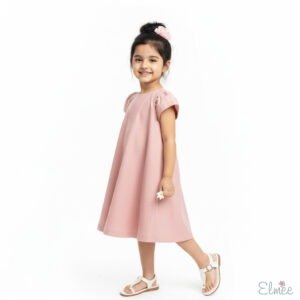
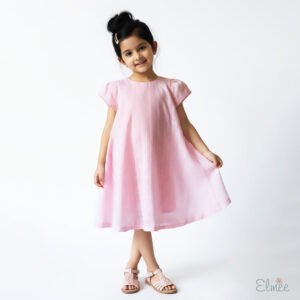
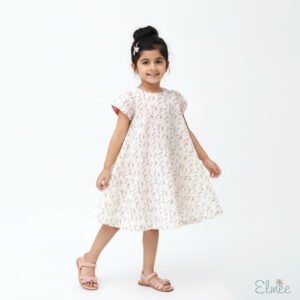
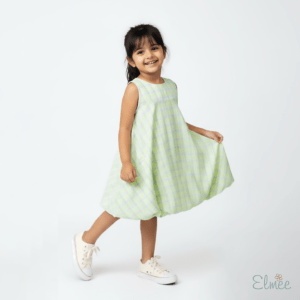
At Elmee Kidswear, we believe natural fibres are the best choice for children in tropical climates. That’s why we use only 100% natural fabrics—cotton, linen, and bamboo blends—sourced and manufactured locally. These fabrics are breathable, gentle, and designed to suit Sri Lanka’s high humidity and warm weather, while also being durable enough for active play.
By choosing natural materials, we ensure that every Elmee garment supports children’s comfort, health, and happiness—allowing them to explore, move, and grow freely.
References
- NDTV Shopping. (2023). 5 Best Summer-Friendly Fabrics to Keep Your Kids Cool on Hot Summer Days.
- Himmel Clothing. (2023). How to Choose the Best Fabrics for Kidswear.
- FJ Design. (2023). Top 5 Eco-Friendly Fabrics for Kids Clothing.
- The Island Now. (2022). Five Fabrics That Are Best Suited for Children’s Clothing.
- Gozi. (2022). Why We Don’t Use Polyester Clothing for Kids.
- International Journal of Science and Research. (2017). Study on Comfort Properties of Children’s Clothing in Hot Environments.